Shiva Kshetra sits quietly in the Drakensberg foothills, where a three-metre murti of Lord Shiva now presides, and a stream of visitors — pilgrims, curious travellers, and neighbours alike — come to visit, to pray, or simply to be still. What began as one man's devotional practice has grown, gradually and without much planning, into a place that welcomes everyone.
There is nothing manufactured about Shiva Kshetra, yet the place carries a weight far beyond its size. Set against mountains that have stood for millions of years, its stillness has its own kind of grandeur, one that asks nothing of you but presence. Here you'll find the Shiva lingam and murti, along with Ganesh, Hanuman, Nandi, and the goddess pindas. Read the full story of how it all came to be on CJ's page.
Open seven days a week,
from 7 am till 5 pm.
R600, Cathkin Park, Winterton, KwaZulu-Natal.
Get directions on Google Maps
Every part of Shiva Kshetra invites you to slow down, whether you come to pray, to sit quietly, or simply to look.
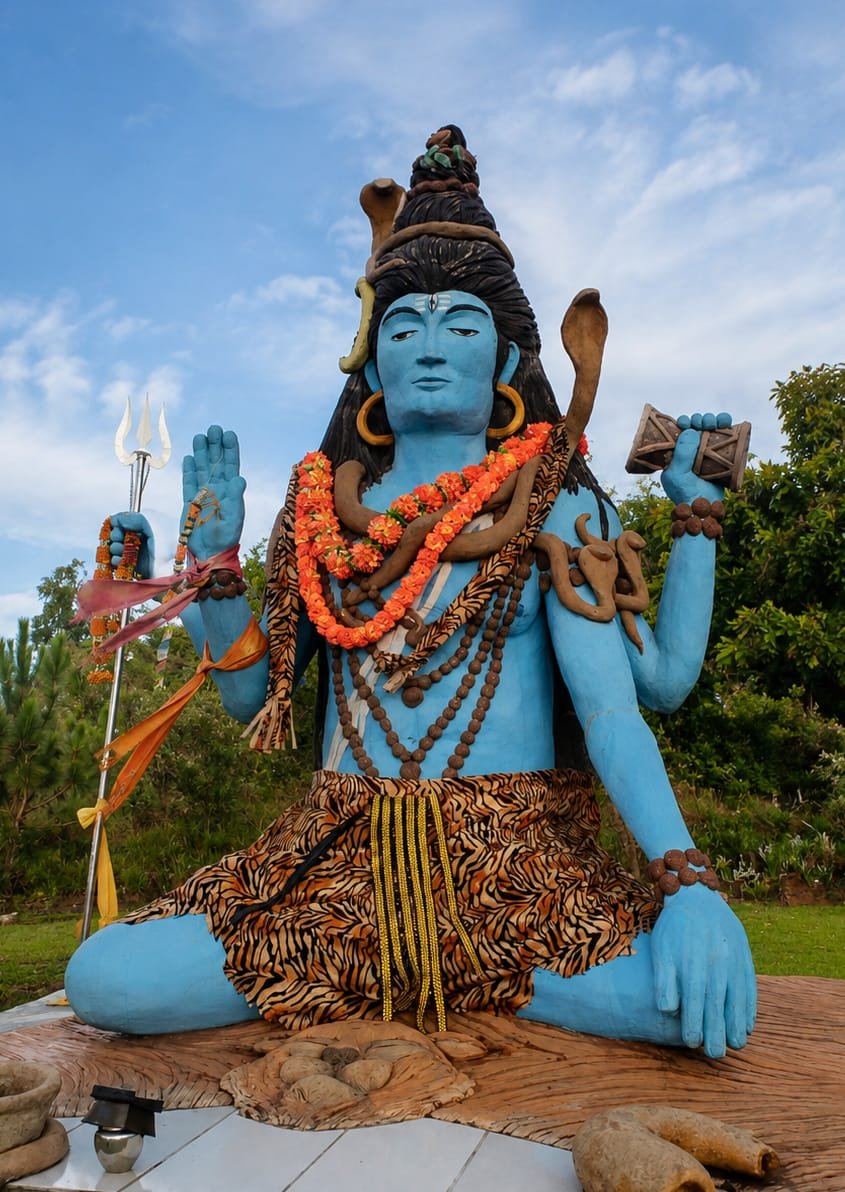
Standing three metres tall and aligned with the lingam, also facing Kailash, this murti is the image most visitors picture when they think of Shiva Kshetra. It was designed and hand-built by a father-and-son team with no formal training in temple sculpture — and later confirmed by a Varanasi-trained pundit to be perfectly proportioned.
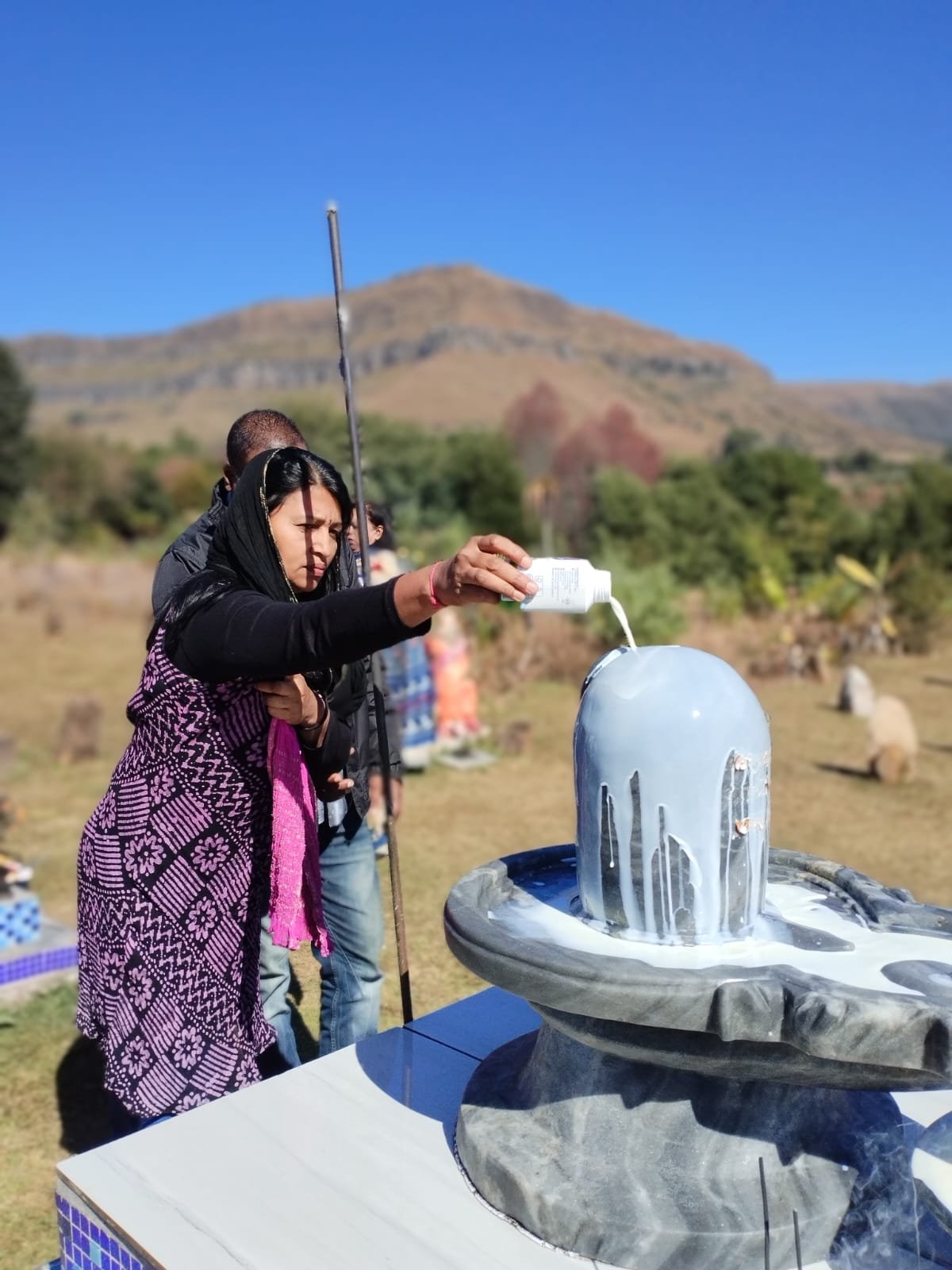
Installed on guidance received in meditation, facing Kailash, the lingam is honoured by visitors often through abhishekam, the pouring of milk or water over the Shiva lingam as an offering.
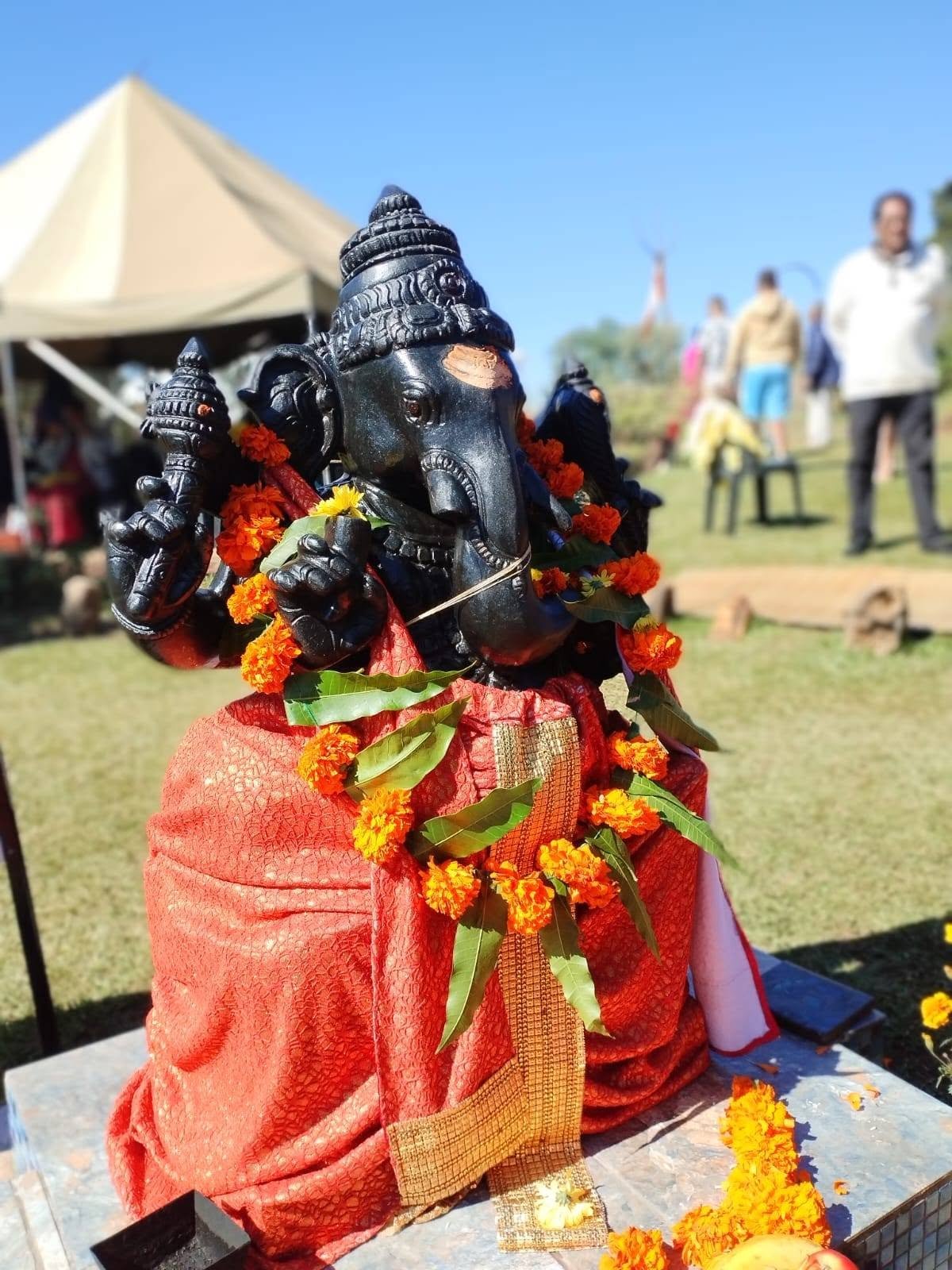
It was to Ganesh that CJ prayed at the site's most uncertain moment — when the future of the land itself hung in the balance. His shrine remains a favourite stop for visitors seeking a smooth start to any undertaking.
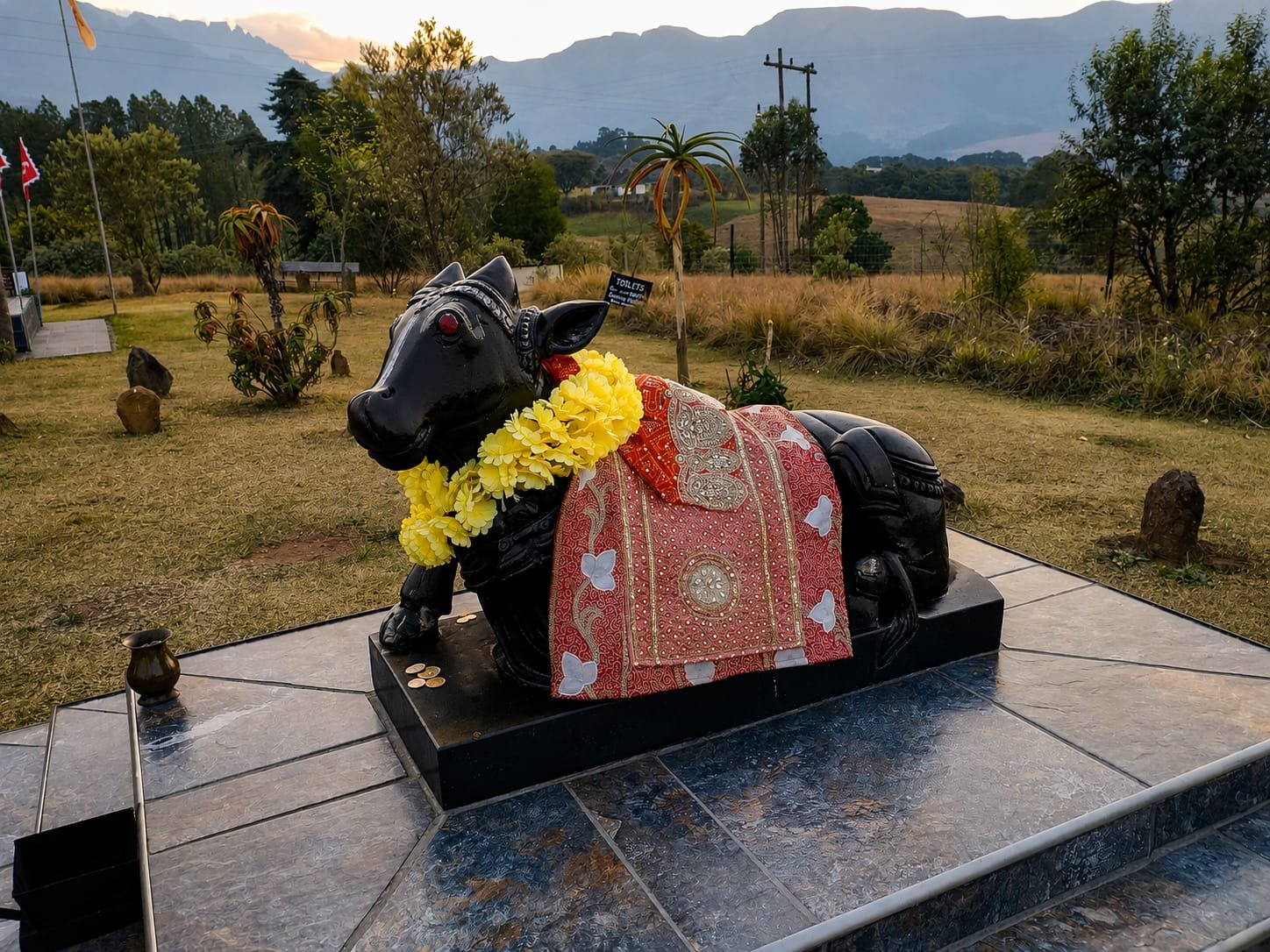
Nandi, the bull who carries Shiva, sits at the opposite end of the temple grounds, facing the murti. Tradition holds that if you cup his left ear and whisper into his right, Nandi carries your message directly to Lord Shiva.
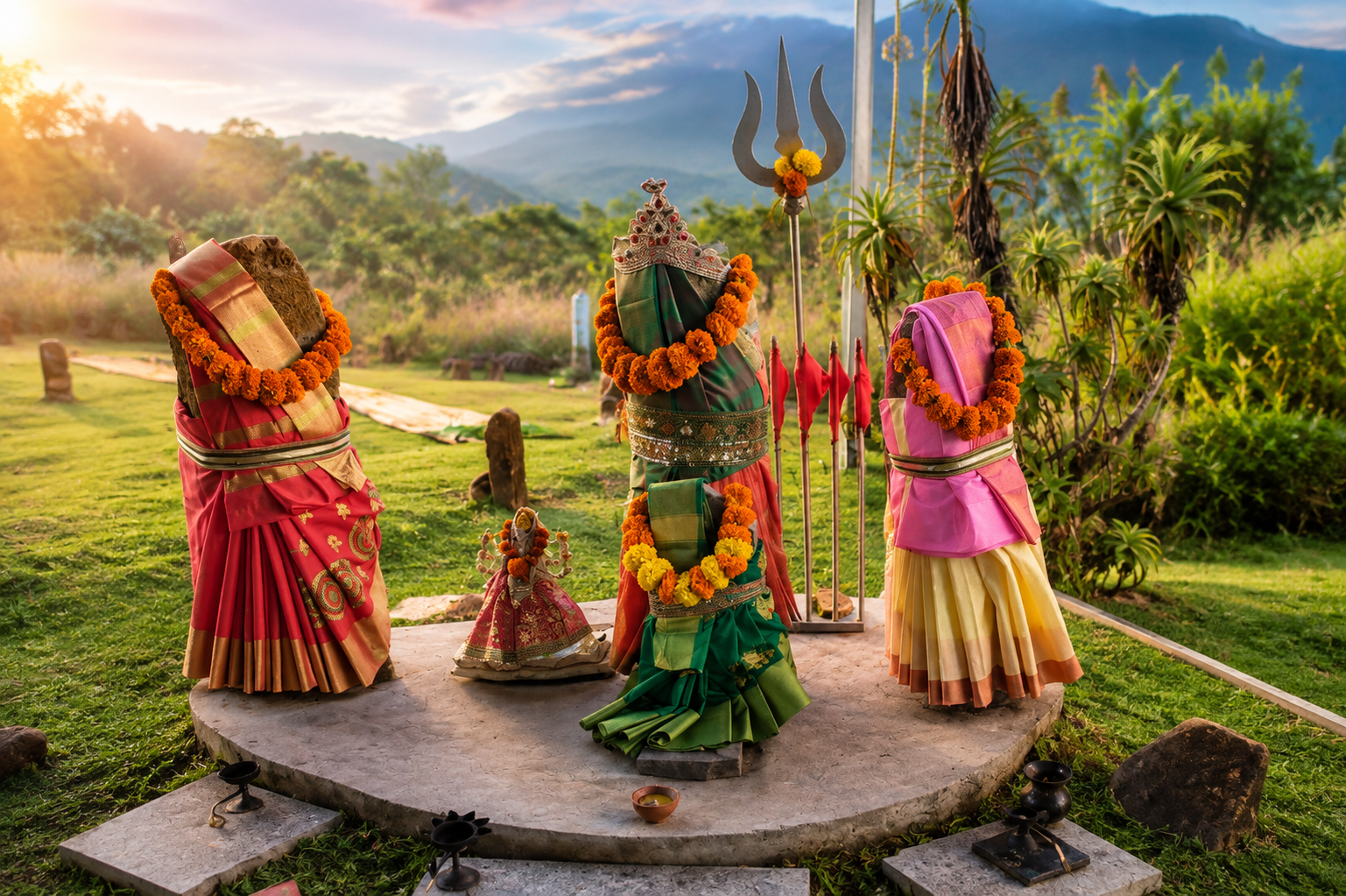
The four goddess pindas represent Mother Lakshmi, Mother Durga, Mother Kali, and Mother Saraswati — a peaceful corner of the site devoted to the divine feminine.
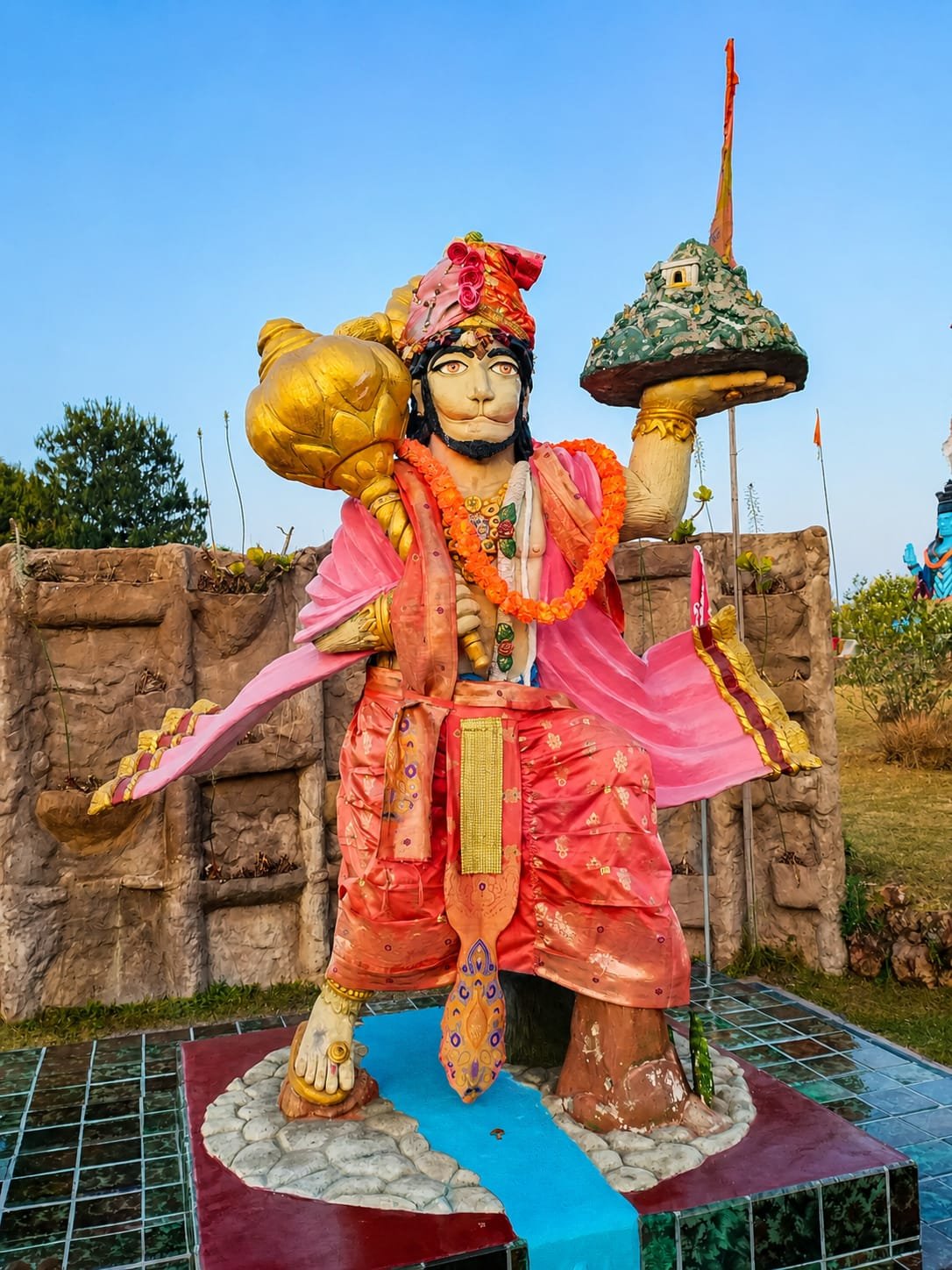
Lord Hanuman stands watch nearby, a reminder of steadfast devotion. Lord Hanuman is also regarded as an incarnation of Lord Shiva.
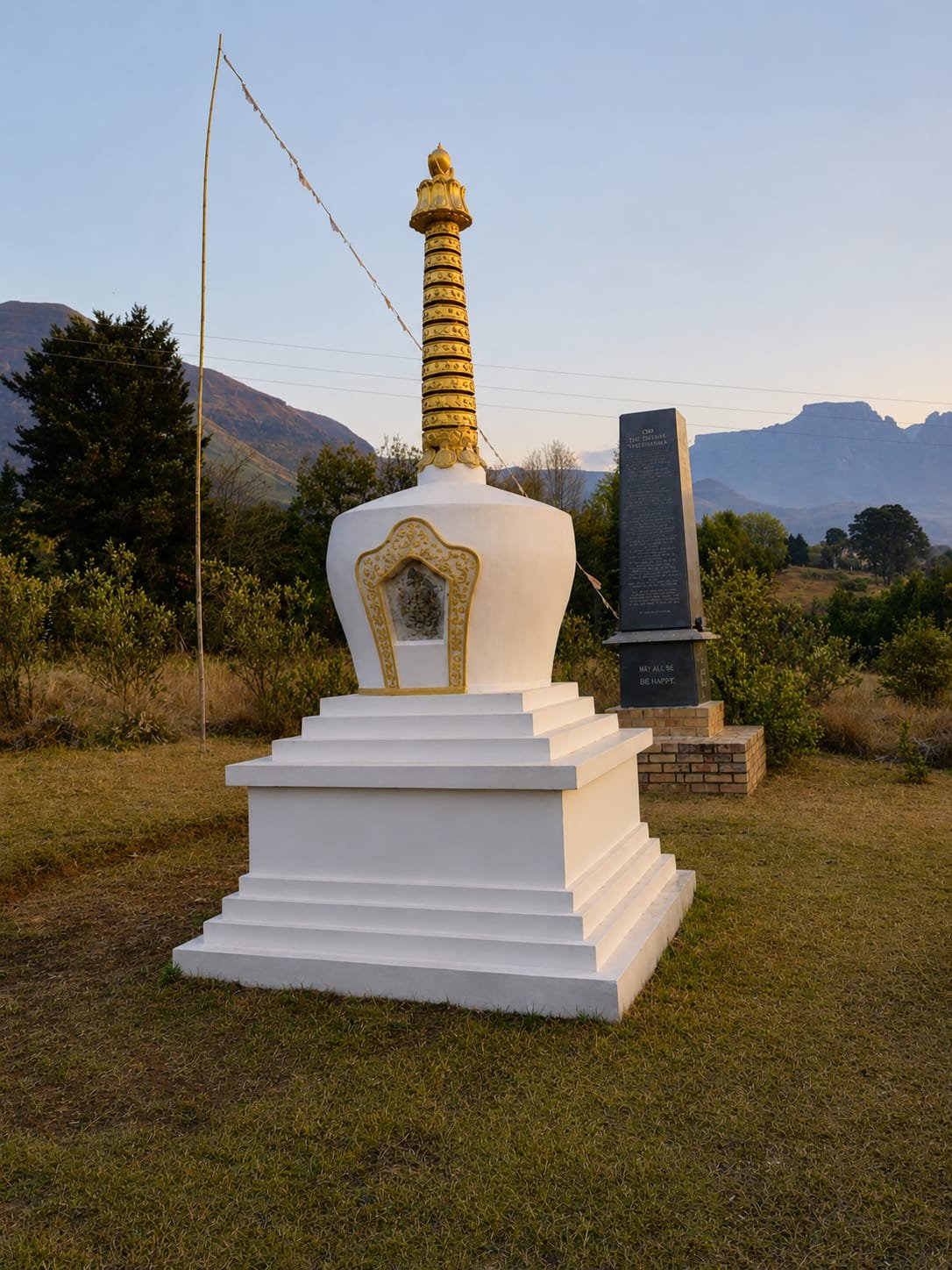
A sacred, dome-shaped mound where visitors are welcome to sit and meditate. It stands simply as a marker of stillness, inspired by CJ's travels to Bhutan.
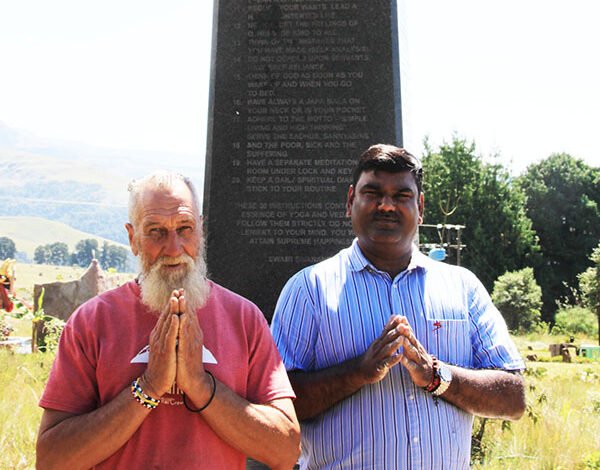
A four-ton granite pillar, 3.5 metres high, inscribed with prayers drawn from the world's major religions. It is one of eighteen such pillars raised across South Africa by the Sivananda World Peace Foundation, under Ishwar Ramlutchman, in tribute to Swami Sivananda and his disciple Swami Sahajananda.
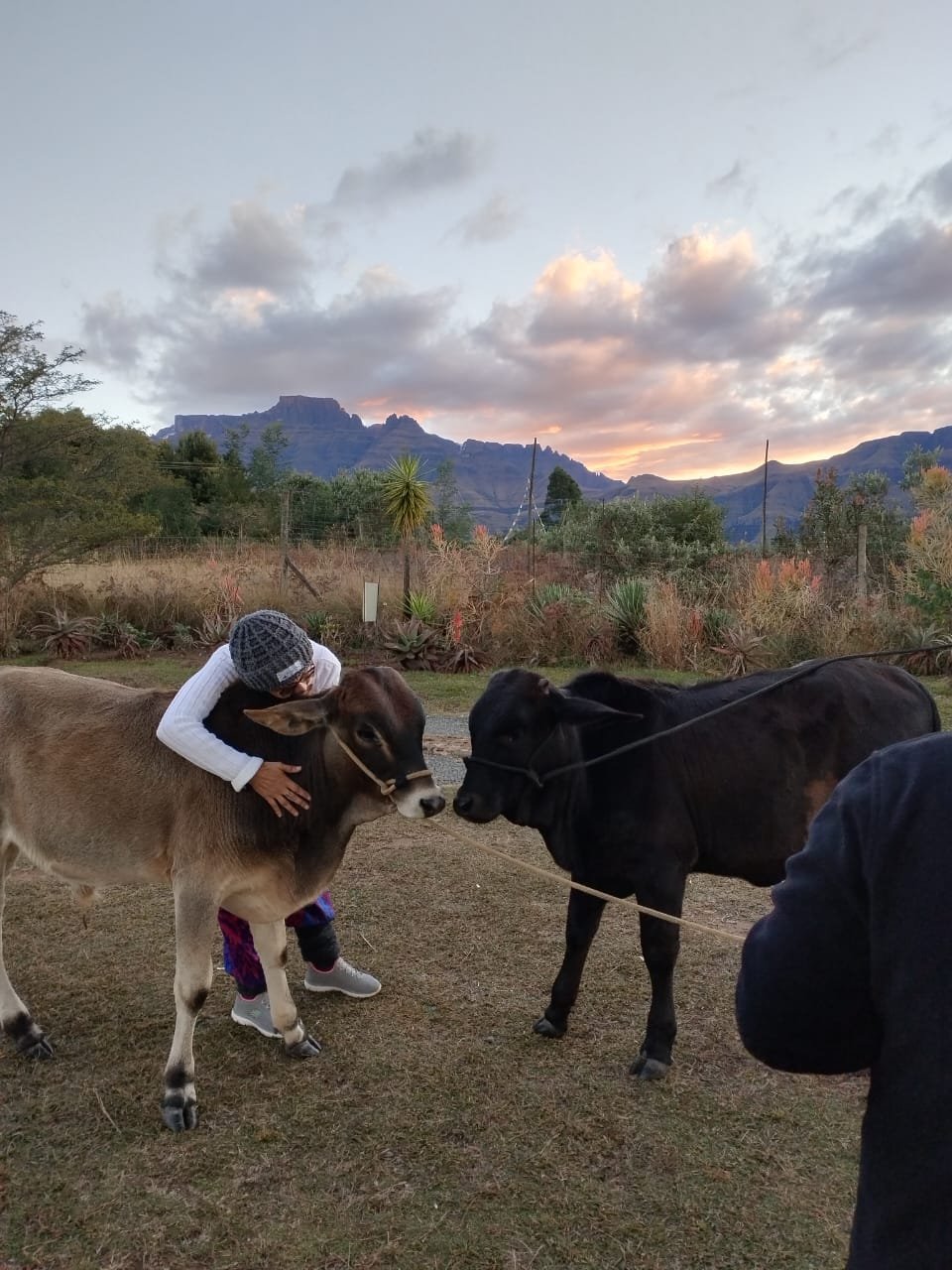
The site's goshala is home to two cows, Rasalila and Takur, cared for as part of the daily life of Shiva Kshetra. Cows hold a place of particular reverence in the Hindu tradition, and visitors are welcome to greet and feed them.
Rasalila and Takur are inseparable, growing anxious if they're ever apart and delighting in each other's company when they play. Takur has grown into the bigger of the pair and has become the more mischievous one, happily stealing Rasalila's food, while she has mellowed from her feistier younger days. Both now love being groomed and are thoroughly affectionate, happy to be hugged and fussed over by visitors and devotees alike.
They graze freely on the land whenever the opportunity allows, though during busy times at the temple they're kept in the goshala enclosure so visitors can feed them. A trough has been built for this purpose, so guests can offer their pellets over the trough rather than dropping them onto the ground. Their tastes have broadened considerably too: alongside hay and grass, they now happily eat apples, pears, and strawberries in addition to old favourites like bananas, and have even developed a fondness for the occasional sweet treat, though these are kept to a minimum. Those wishing to support the goshala further are welcome to bring feed or donate toward their monthly care.
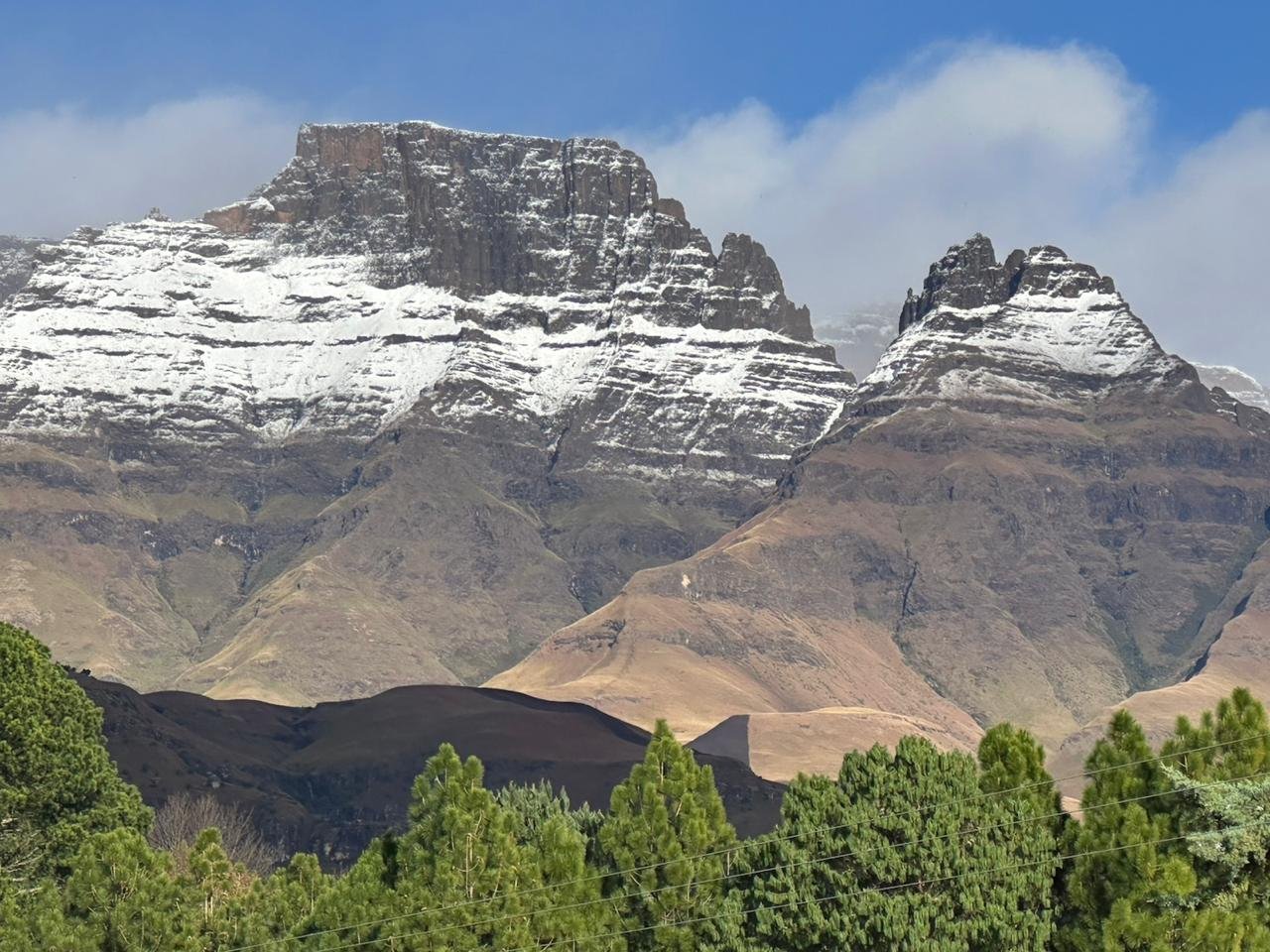
Shiva Kshetra sits in full view of two of the Drakensberg's most recognisable summits, Champagne Castle and Cathkin Peak, watching quietly over the grounds in every season.